
Tartu is about 180 km from Tallinn Airport, and the drive takes roughly two and a half hours depending on traffic and the weather. The airport lies on the Tartu side of the capital, so the car heads south-east without first crossing the city centre. Estonia's second-largest city is a university town before anything else: people come for a semester, a conference or a weekend in the old town.
Which airport for Tartu?
The usual way in is Tallinn Airport (TLL), Estonia's main international gateway. The alternative is Riga Airport in Latvia, about 250 km from Tartu and around four hours by road. That longer drive can still make sense if Riga has the better flight for your dates, or if you're combining Tartu with a few days in Latvia.
Whichever you choose, put your flight number in the booking. The flight is tracked, your driver waits if it lands late, and the 60 minutes of free waiting only start once you're on the ground. Your driver meets you in the arrivals hall with a name board, and the meeting details are on your e-ticket. Trains and coaches also run from Tallinn to Tartu, but by rail from the airport you first have to get to a station in town. The Tallinn to Tartu guide covers the route itself in more detail.
Getting around Tartu
Tartu is compact. The old town gathers around Town Hall Square, which is shaped like a trapezium rather than a square, with Toome Hill rising behind it. Tartu Cathedral, up on the hill, is the only medieval church in Estonia with two towers. The University of Tartu was founded in 1632 by King Gustav II Adolf of Sweden, and in 2024 the city was a European Capital of Culture.
Parking in the city centre is paid, so arriving by private car spares you a search for a space with your luggage in tow. The transfer is door to door: to a hotel in the centre, a student flat, a university building or a conference venue. Enter the exact address when you book, and the car takes you there rather than to the nearest stop.
Museums and trips beyond the city
The Estonian National Museum (Eesti Rahva Muuseum), the largest museum in the country, is in Tartu, and so is the AHHAA Science Centre. With children, a visit to either is easier when you're dropped right at the entrance instead of crossing town on foot.
Tartu also works as a starting point for trips elsewhere. Pärnu, on the west coast, is about 170 km away, roughly two and a half hours. Narva, on the eastern border, is about 180 km, a little under three hours. Riga is about 245 km, around four hours, and Sigulda, on the Latvian side, about 200 km, a little over three hours. The Pärnu and Narva transfers cover both towns.
Winter on the road to Tartu
Winter tyres are compulsory in Estonia from 1 December, and in cold weather the Transport Administration can lower speed limits on main roads, the Tallinn–Tartu road included. Road 2 (E263) has some dual-carriageway sections but isn't a motorway all the way, so the drive takes a little longer on icy days. If you'd rather not spend two and a half hours at the wheel on winter roads straight after a flight, a private transfer leaves the driving to someone else.
Going home, and travelling as a group
On departure day the booking screen works out your pick-up time in Tartu from your flight time. On a drive this long that matters: an early morning flight from Tallinn means leaving Tartu very early. If a conference programme changes, you can move the date or time once, free of charge, up to six hours before pick-up, and support is available 24/7.
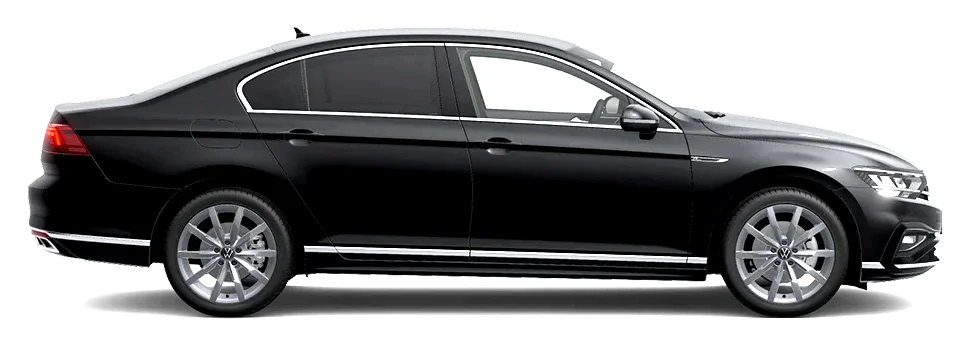
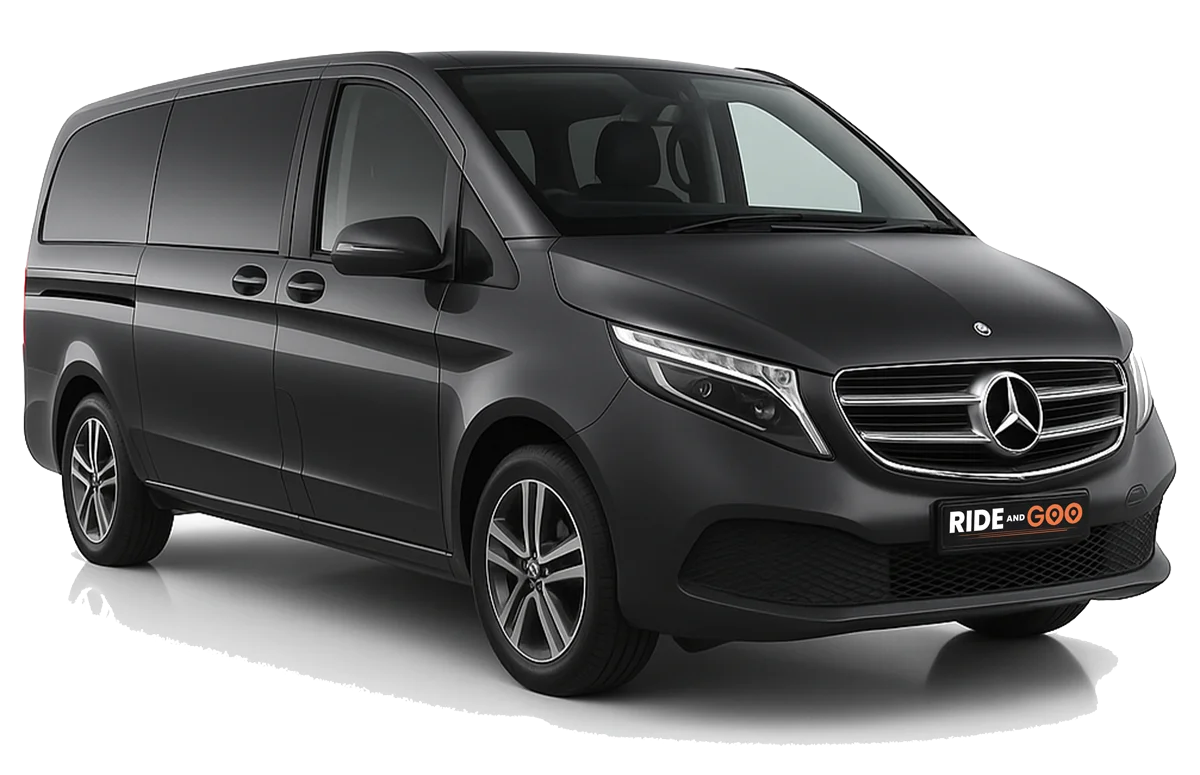
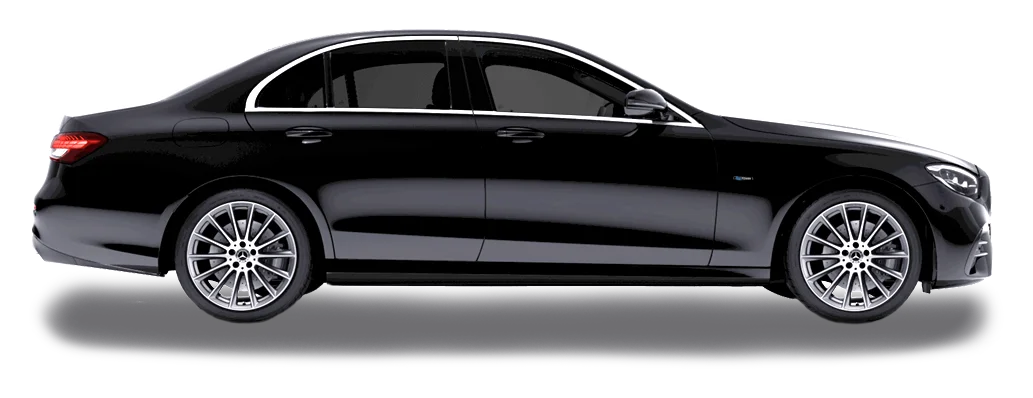
The car is reserved for your group alone. A standard sedan takes three passengers and three suitcases, a business sedan three passengers; minivans seat four, six or eight, and minibuses 13 or 16, so a research team or a conference group can travel together. The first child seat is free.