
Kaunas Airport is about 15 km from the city, and the drive takes around 20 minutes. Some visitors to Kaunas fly into Vilnius instead, though, and then have about 100 km and roughly an hour and a quarter still to go. Lithuania's second city has two airports within reach, and which one you use usually comes down to the flights. From either, a private transfer takes you to the address you give, in a car reserved for your group alone.
Kaunas Airport or Vilnius Airport?
Kaunas Airport (KUN) lies outside the city at Karmėlava, to the north-east. If a flight there fits your dates, it is the obvious choice: about 15 km, around 20 minutes, and you are in town. Just don't mistake it for a second Vilnius airport. It serves Kaunas, and Vilnius is about 100 km away from it.
Vilnius Airport (VNO) has the wider choice of flights. The drive to Kaunas is about 100 km, roughly an hour and a quarter, almost all of it on the A1, which has been classed as a motorway between Vilnius and Kaunas since 2022. By public transport you would first get from the airport to the station in Vilnius and change there; the car goes straight from the terminal to your door. That matters most after a late landing, with children, or with more luggage than is comfortable on a train. The Vilnius Airport transfer page has more on arriving there.
At either airport your driver meets you in the arrivals hall with a name sign, and the meeting details are on your e-ticket. With your flight number in the booking, the flight is tracked; if it lands late, the driver waits, and the 60 minutes of free waiting time only start once you are on the ground.
Where in Kaunas are you staying?
The Old Town sits on the point where the Nemunas and the Neris meet, with Kaunas Castle right at the confluence. East of it lies the New Town, laid out around Laisvės alėja, the long pedestrian avenue. Kaunas was Lithuania's temporary capital between the wars, and the buildings from that period put the city on the UNESCO World Heritage List in 2023 as “Modernist Kaunas: Architecture of Optimism, 1919-1939”. In 2022 it was also a European Capital of Culture.
Hotels and apartments are spread across both areas, and across the rivers in districts such as Aleksotas. A street name on its own can be ambiguous, so give the full address or the hotel name when you book; the route is then planned to that door. If you are coming in by train or coach, the car can collect you at the station just as easily.
Trips from Kaunas
Vilnius is about 100 km away, roughly an hour and a quarter, and Vilnius to Kaunas covers that road in both directions. Trakai and its Island Castle are about 80 km from Kaunas, a little over an hour. If you are moving between the two cities, the castle can go at the start or the end of the day with two separate transfers.
Kaunas is also a good starting point for the coast. Klaipėda is about 215 km, a little over two hours, and Palanga about 240 km, around two and a half; most of the way is on the A1, which carries on from Kaunas to Klaipėda. Riga, across the Latvian border, is about 270 km away, roughly four hours. With a family and a week's luggage, a car that is loaded at one door and unloaded at the next is simply easier.
Winter on the A1
Lithuania bans summer tyres in the winter months, and the speed limit on the Vilnius to Kaunas motorway is lower in winter than in summer. Add snow and short daylight, and the run from Vilnius Airport can take longer than the hour and a quarter given above. The times on this page are road estimates, not promises. In town, a car to the door means less time hauling bags over icy pavements.
Departure day and vehicles
For your return, the hotel pickup time is worked out from your flight time on the booking screen. Which airport you fly from makes a real difference here: the drive to Kaunas Airport is around 20 minutes, to Vilnius Airport about an hour and a quarter, so the pickup times are very different. If something changes, you can move the date or time once, free of charge, up to six hours before pickup, and support is available 24/7.
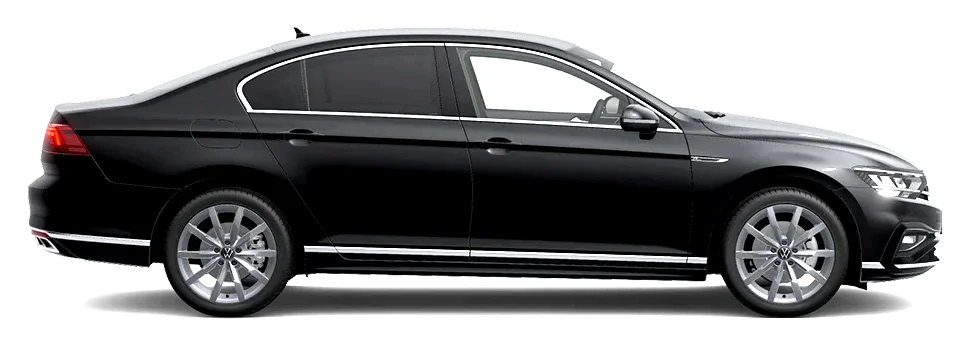
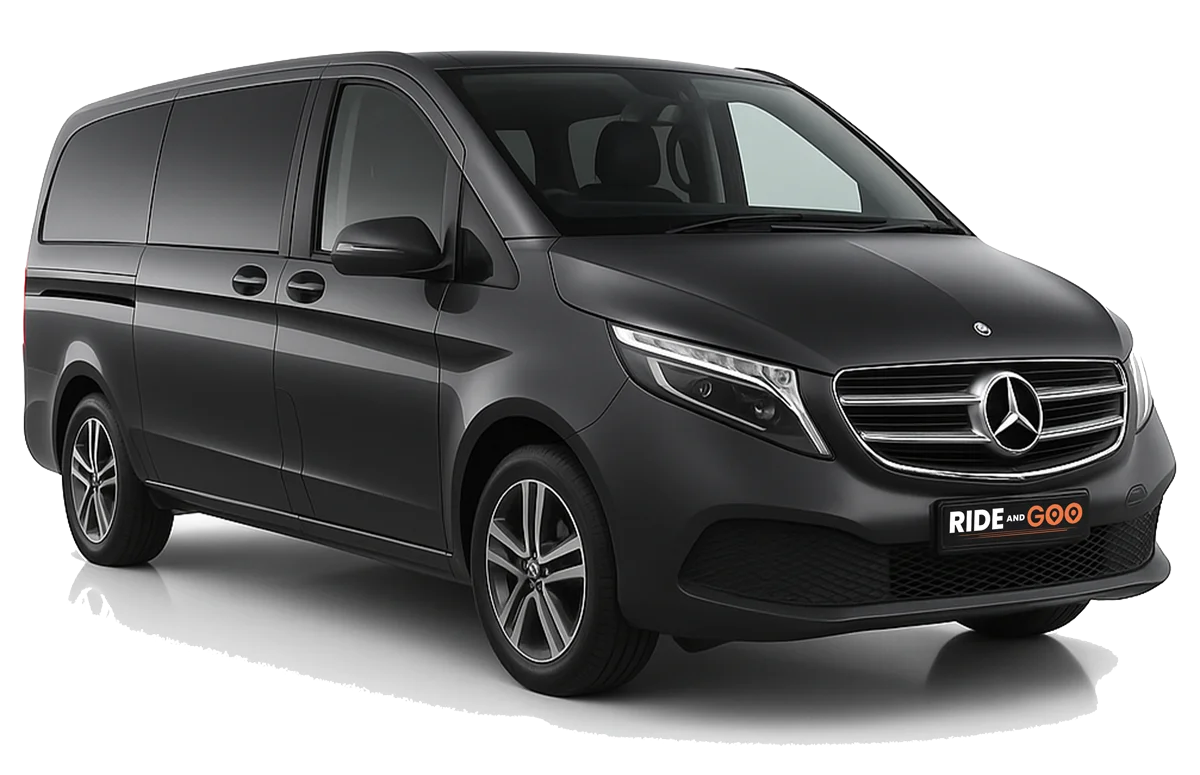
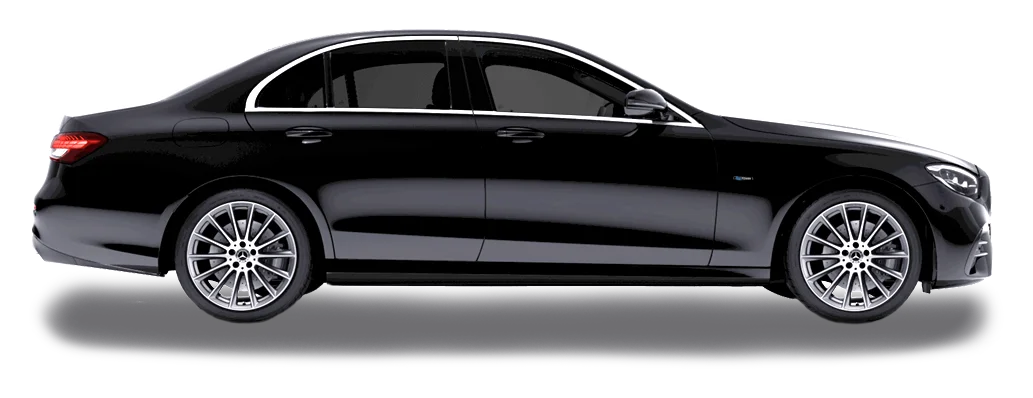
A standard sedan takes three passengers and three suitcases. Minivans come with four, six or eight seats and suit families with a pram and plenty of luggage; minibuses with 13 or 16 seats keep a group together, whether it is a sports team or colleagues heading to a conference. The first child seat is free.