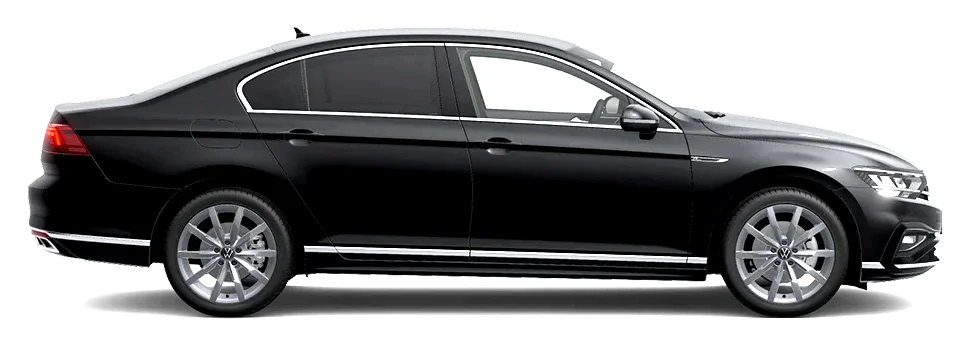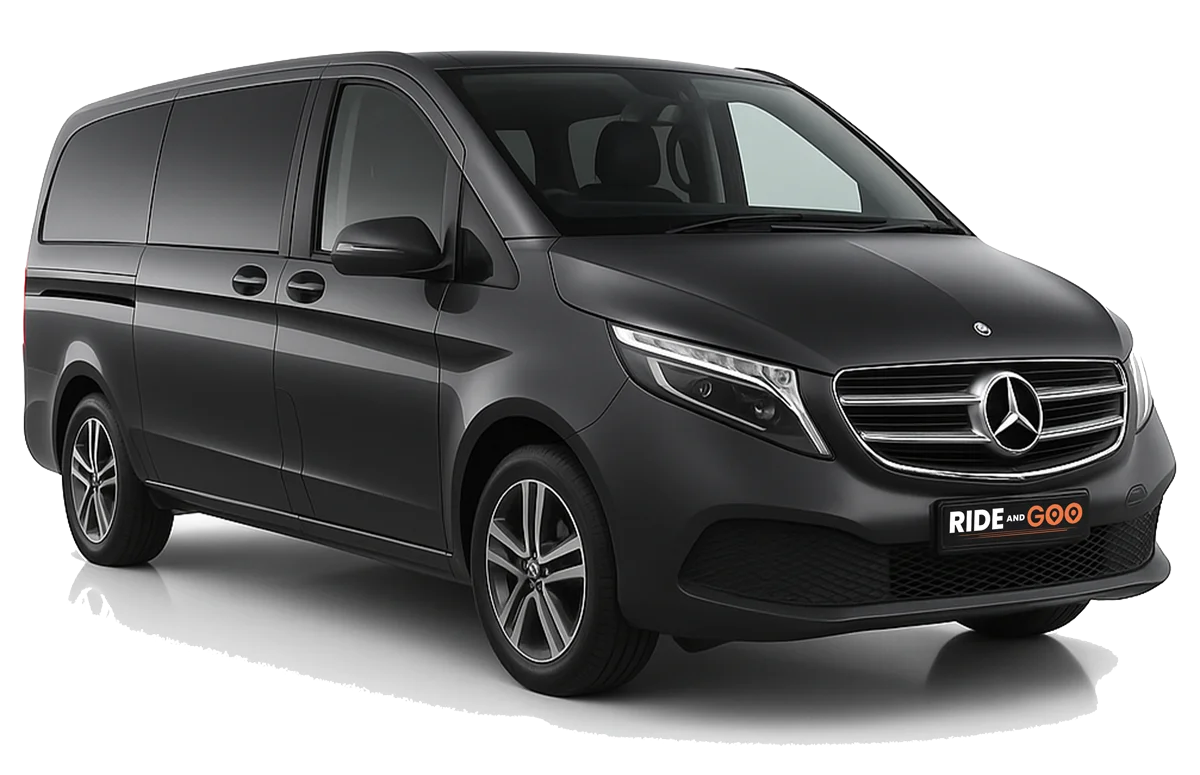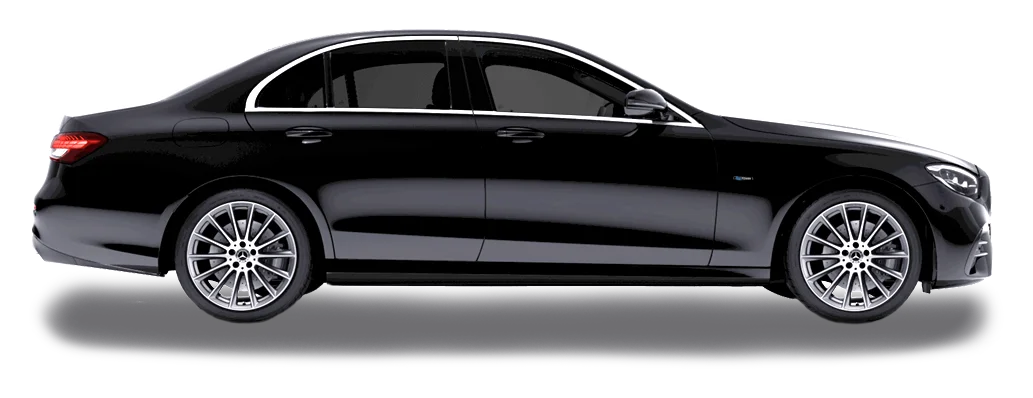

By road it's about 310 km (roughly 190 miles) between Tallinn and Riga, and route planners put the drive at around five hours, whichever way you're heading. With a private transfer the car is reserved for your group alone and takes you from one address to the other.
Starting at Tallinn Airport or finishing at Riga International Airport takes the distance to about 320 to 330 km. Traffic, weather and the season all affect the time on the road, so treat five hours as a guide rather than a fixed figure. A direct train and coaches also link the two capitals, though the train takes a different route and doesn't pass through Pärnu.
If you're seeing both capitals on one trip, each has a UNESCO-listed centre. Tallinn's Old Town has been on the World Heritage List since 1997, and Riga's historic centre was inscribed the same year; its protected area reaches beyond the medieval Old Town and has an outstanding concentration of Art Nouveau buildings.
What's the road like between Tallinn and Riga?
On the Estonian side you follow Road 4, which runs from Tallinn through Pärnu to Ikla and is part of the E67, the international road known as the Via Baltica. You cross into Latvia at Ainaži and carry on along the A1 to Riga.
Pärnu lies on this road, about 130 km from Tallinn and 180 km from Riga, a little before the halfway point. The town is billed as Estonia's summer capital and is best known for its long sandy beach.
What happens at the border?
Estonia and Latvia have both been in the Schengen area since December 2007, so there are normally no checks at the border. You must still carry a valid passport or national ID card, because the authorities have the right to check documents, and a driving licence or bank card doesn't count as a travel document. Both countries use the euro and are on the same time, so there's no money to change and no clock to reset.
Driving between Tallinn and Riga in winter
Winter weather in Tallinn is changeable, and snow usually falls from December to March. In Latvia, daylight shrinks to a few hours a day. Winter tyres are compulsory in both countries, and Road 4 gets Estonia's highest level of winter maintenance, which aims to keep the surface, or at least the wheel tracks, clear of snow and ice. Speed limits on Estonian main roads may be lowered for the cold months, though, and that can lengthen the drive.
A private car won't shorten a winter journey. What it does spare you is waiting on a cold platform and finding your way from the station after dark, because the car runs from one door to the other.
When a private transfer makes sense
- Airport to airport. If you land at Tallinn Airport (TLL) and fly home from Riga International Airport (RIX), the car takes you from one to the other without a change.
- Door to door. You're collected from your hotel, flat or office in Tallinn and dropped at your address in Riga, with no last leg across town.
- Luggage and small children. Cases, a pushchair and young children stay in one vehicle for the whole journey, and the first child seat is free.
- Early and late flights. A dawn departure or a late landing won't always fit a timetable; with a car, the pick-up time is the one you book.
- Groups. Three, four or more people going between the same two addresses can all travel in one vehicle.
You pay per vehicle rather than per seat, and the fare is fixed when you book. Saloons and business saloons take up to three passengers, a minivan four, six or eight and a minibus up to 16.
When the journey begins at Tallinn Airport, the flight is tracked as long as its number is on the booking. Your driver meets you in the arrivals hall with a name board, and the meeting details are on your e-ticket. Should the plane land late, the driver waits for you, and the 60 minutes of free waiting only begin once it's on the ground.
If you're continuing south, the Riga to Vilnius route follows the Via Baltica on into Lithuania.