
The drive from Riga to Vilnius covers just under 300 km (about 295 km, or 185 miles) and takes roughly four hours, going by online maps. With a private transfer the car is reserved for your group and runs from your door in Riga to your address in Vilnius.
Leaving from Riga International Airport rather than the city centre makes almost no difference to the distance, and the figures are much the same in reverse, from Vilnius to Riga. How long the drive actually takes depends on traffic, the weather and the season. A direct train and coaches also run between the two capitals, but the railway follows a different line and doesn't pass through Bauska or Panevėžys.
At the Vilnius end, the Old Town has been a UNESCO World Heritage Site since 1994. Riga's historic centre was inscribed in 1997, and its protected area, which reaches beyond the medieval Old Town, has an outstanding concentration of Art Nouveau buildings.
The road through Bauska and Panevėžys
From Riga you take the A7, part of the E67 Via Baltica, through Bauska, about 70 km from the city, and on to the Lithuanian border at Grenctāle. In Lithuania the A10 runs past Pasvalys to Panevėžys, and the A2 highway takes you the rest of the way to Vilnius.
Bauska's castle museum includes the restored living quarters and reception halls of the Dukes of Courland. Rundāle Palace, designed by Francesco Rastrelli for Ernst Johann von Biron, isn't in Bauska itself but in Pilsrundāle, 12 km away along the P103, off the main road.
The Hill of Crosses is another matter. It lies near Šiauliai, which the Riga to Vilnius road doesn't go through, so it isn't on this route.
Crossing from Latvia into Lithuania
Latvia and Lithuania joined the Schengen area together with Estonia in December 2007, and routine border control now takes place only at the EU's external borders. Even so, carry a valid passport or national ID card: police can make checks at internal borders and in border areas, and Latvia's mobile immigration patrols carry out random checks. A driving licence doesn't count as a travel document. Both countries use the euro, and there's no time difference.
Riga to Vilnius in winter
Winter in Latvia is changeable. It can be snowy, or simply grey and muddy, and daylight lasts only a few hours a day. Winter tyres are compulsory in Latvia over the winter months, and the four-hour figure is a map estimate that doesn't allow for weather or traffic.
A car won't make the road any shorter in December. What it changes is the rest of the trip: no waiting outside in the dark, and no last stretch across town with your bags at the other end.
When to choose a private car
The clearest case starts at Riga Airport. If you land in Riga and are heading for Vilnius, the car takes you from the airport to your address there, about 295 km, without a change on the way. The same goes for a hotel, flat or office in either city: you're collected at one door and dropped at the other.
Timing is another reason. An early flight, a late landing or a meeting in Vilnius later the same day won't always fit a fixed timetable, whereas with a car the pick-up time is the one you book. Once your flight number is on the booking, the flight into Riga is tracked: if it's delayed, your driver waits, and the first 60 minutes of waiting after you land are free. And if your plans move, the date or time can be changed once at no charge, up to six hours before pick-up.
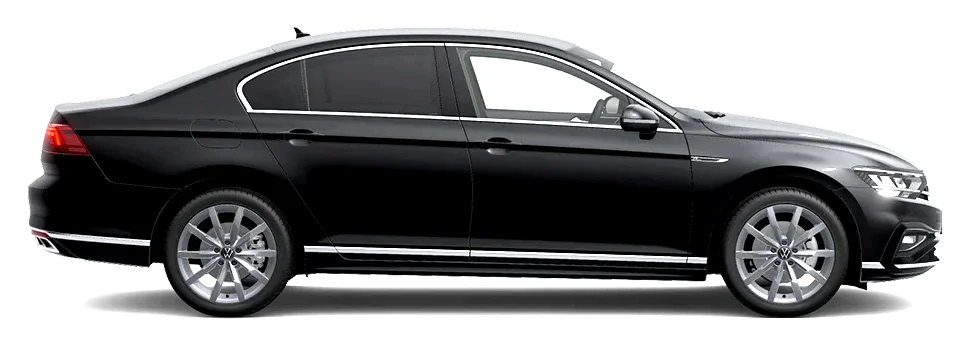
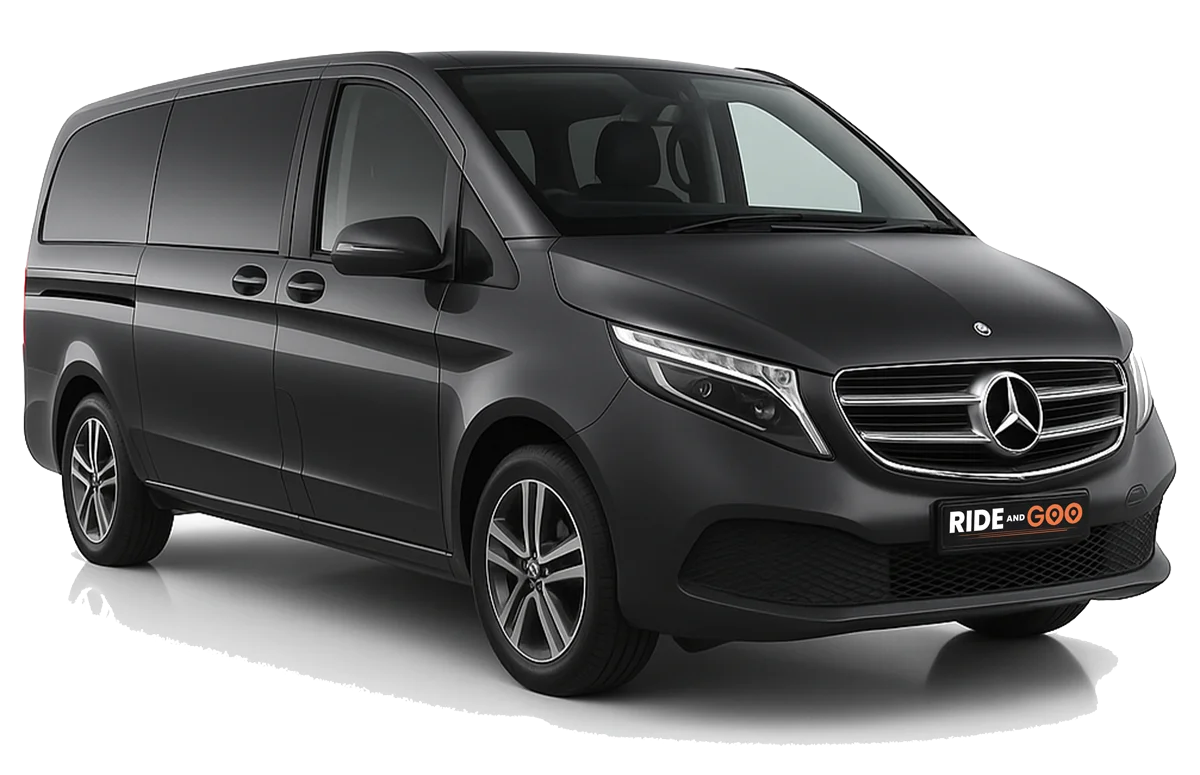
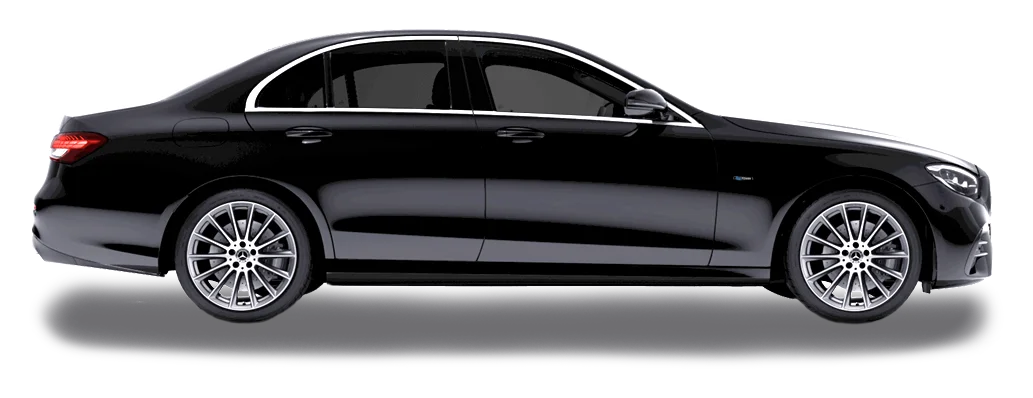
Families with heavy bags or young children keep everything in one vehicle from start to finish, and groups of three, four or more heading between the same two addresses can all travel together. The fare is per vehicle rather than per passenger, and the choice runs from a saloon or business saloon for up to three people to a minivan for four, six or eight and a minibus for up to 16.
Coming down from Estonia? The Tallinn to Riga route covers the northern stretch of the Via Baltica, and for onward travel from Vilnius, the Lithuania page lists routes to places such as Trakai and Kaunas.